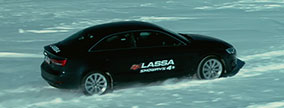
Driving in wet conditions can pose a significant risk, particularly when the roads are slick with rain. One of the most dangerous driving hazards in such conditions is aquaplaning, which can lead to a loss of control and potentially dangerous accidents. This article will delve into the meaning of aquaplaning, how it occurs, and how you can prevent it while driving.
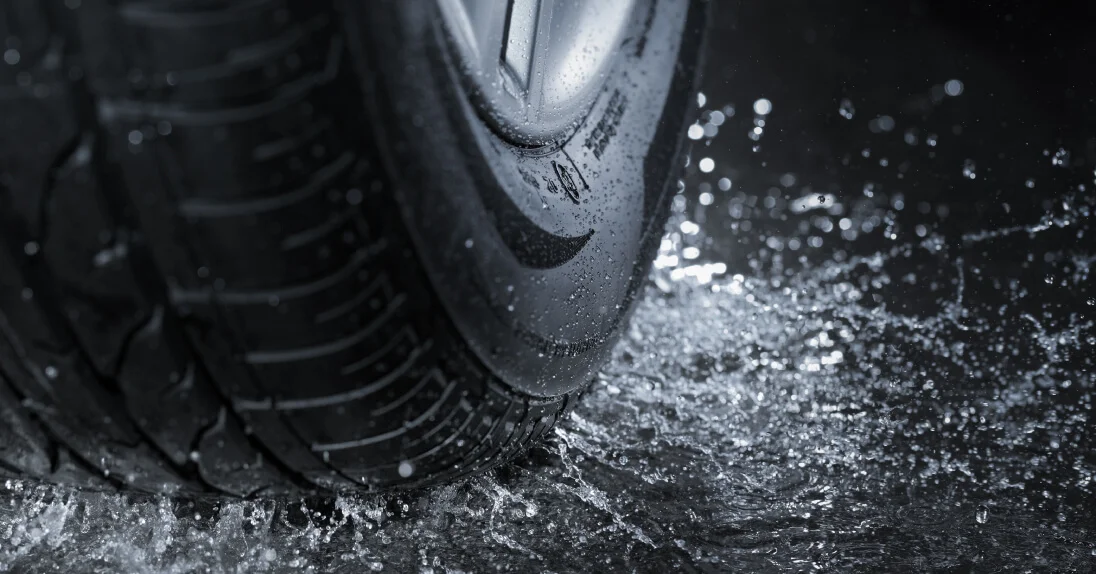
Aquaplaning (also known as hydroplaning) occurs when a layer of water builds up between the tyres of a vehicle and the road surface, leading to a loss of traction. As a result, the tyres can no longer grip the road, and the vehicle starts to slide or float over the surface. This typically happens when driving too fast in wet conditions, causing the tyres to lose contact with the road completely. Using high-performance tyres like those developed by Lassa can significantly reduce the risk of aquaplaning, thanks to their advanced tread designs and water evacuation capabilities.
Aquaplaning can happen at speeds as low as 35 mph, but it’s more likely to occur at higher speeds when there is a significant amount of standing water on the road. When your car aquaplanes, you may feel the steering wheel become unresponsive, and your vehicle will feel as though it’s gliding or skimming on the water surface, making it difficult to control.
The terms aquaplaning and hydroplaning are often used interchangeably, but are they the same? Technically, they refer to the same phenomenon of losing traction on wet roads, but hydroplaning is the term commonly used in the United States, while aquaplaning is more commonly used in other parts of the world.
Regardless of the terminology, both refer to the loss of contact between the vehicle’s tyres and the road due to water buildup. The underlying cause is always the same—excessive water accumulation between the tyres and the road surface, preventing the tyres from maintaining proper contact. Lassa emphasises the importance of using high-performance tyres to minimise the risk of aquaplaning on wet surfaces.
Several factors contribute to the likelihood of aquaplaning. Understanding these can help you reduce the risk while driving in wet conditions:
Knowing what to do when aquaplaning can make a significant difference in your ability to regain control of your vehicle. If you experience aquaplaning, follow these steps:
Choosing high-quality tyres like Lassa Tyres, which are designed to perform well in wet conditions, can help reduce the risk of aquaplaning altogether.
To avoid aquaplaning, one of the most important factors is ensuring that your vehicle has the right tyres for wet conditions. Tires that are designed specifically for wet conditions can significantly reduce the risk of aquaplaning. Here are some features to look for:
Tire Pressure Maintenance: Ensuring that your tyres are correctly inflated is crucial. Underinflated tyres are more likely to aquaplane car and lose traction.
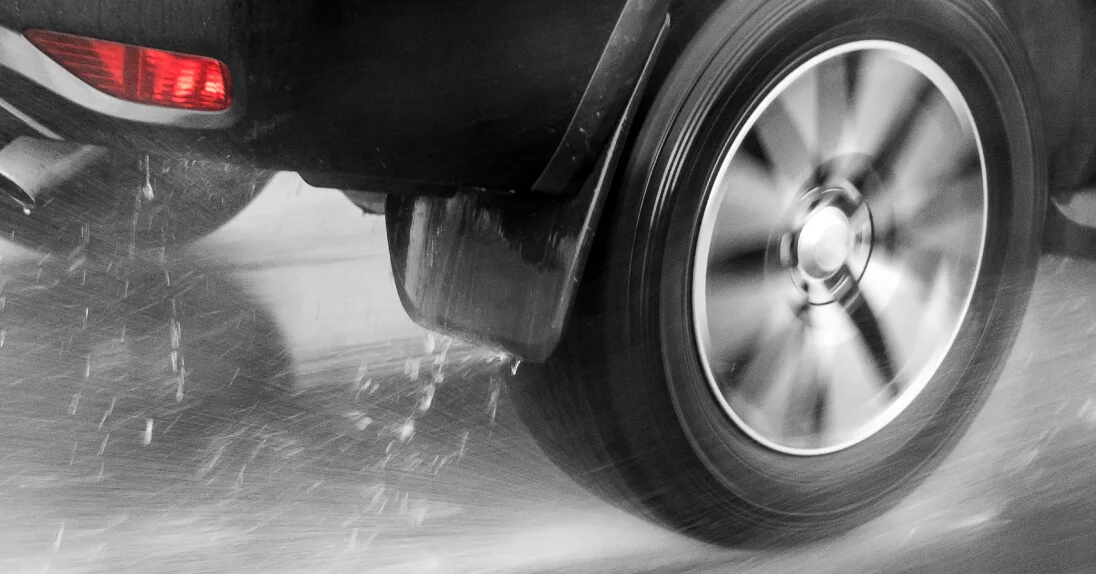
Understanding what is aquaplaning and how to avoid it is crucial for safe driving, especially in wet weather conditions. Aquaplaning in driving can happen quickly, but with the right knowledge and preparation, you can reduce the risks significantly. By maintaining proper tire pressure, driving at safe speeds, and being aware of the conditions, you can help prevent aquaplaning and keep your car safely on the road. Using Lassa tyres not only increases safety in wet conditions, but also provides peace of mind through high-quality, road-tested tyre solutions.
If you're unsure about your tyres or the conditions in your area, consider visiting a tire professional to ensure that your vehicle is equipped with the best tyres for wet roads. Stay safe and drive carefully to avoid aquaplaning in all conditions.